
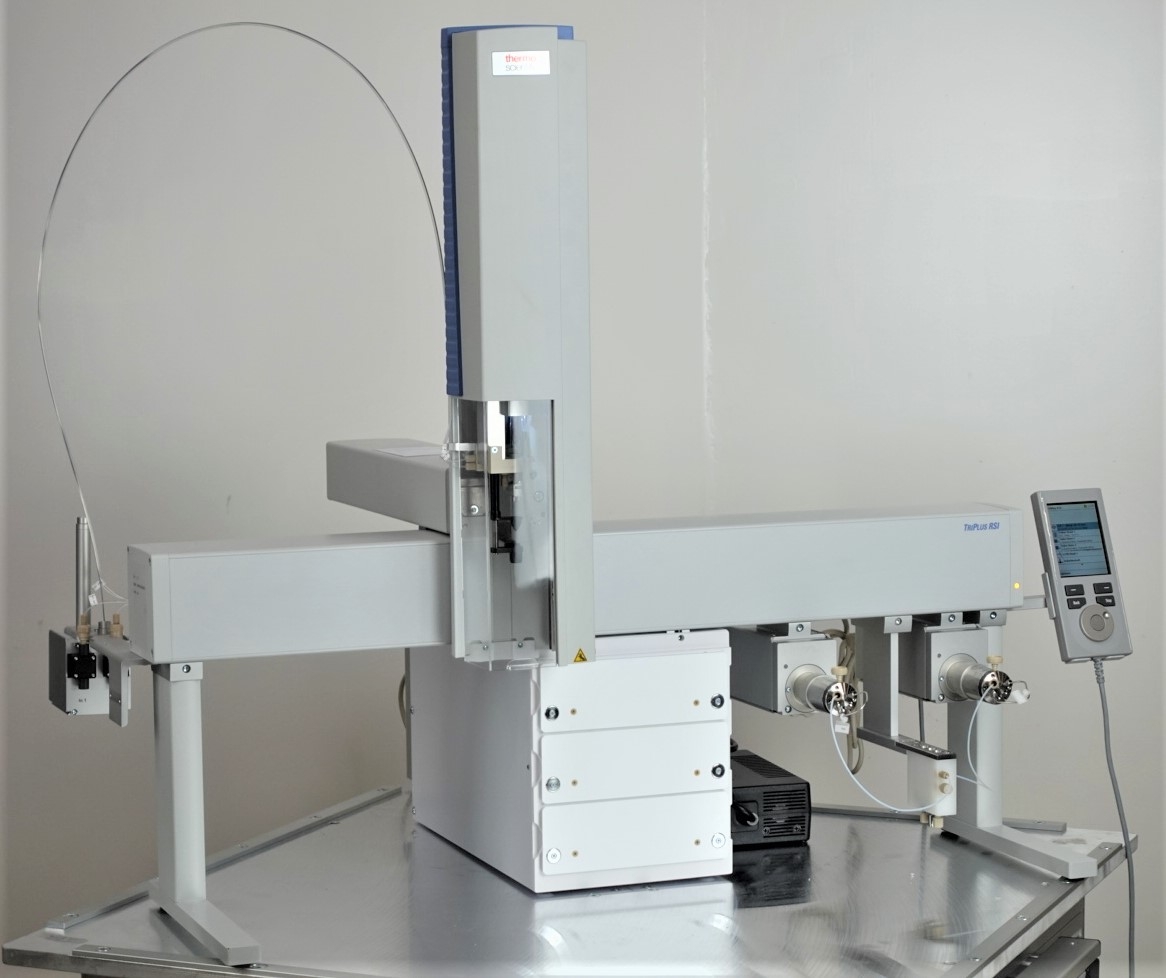
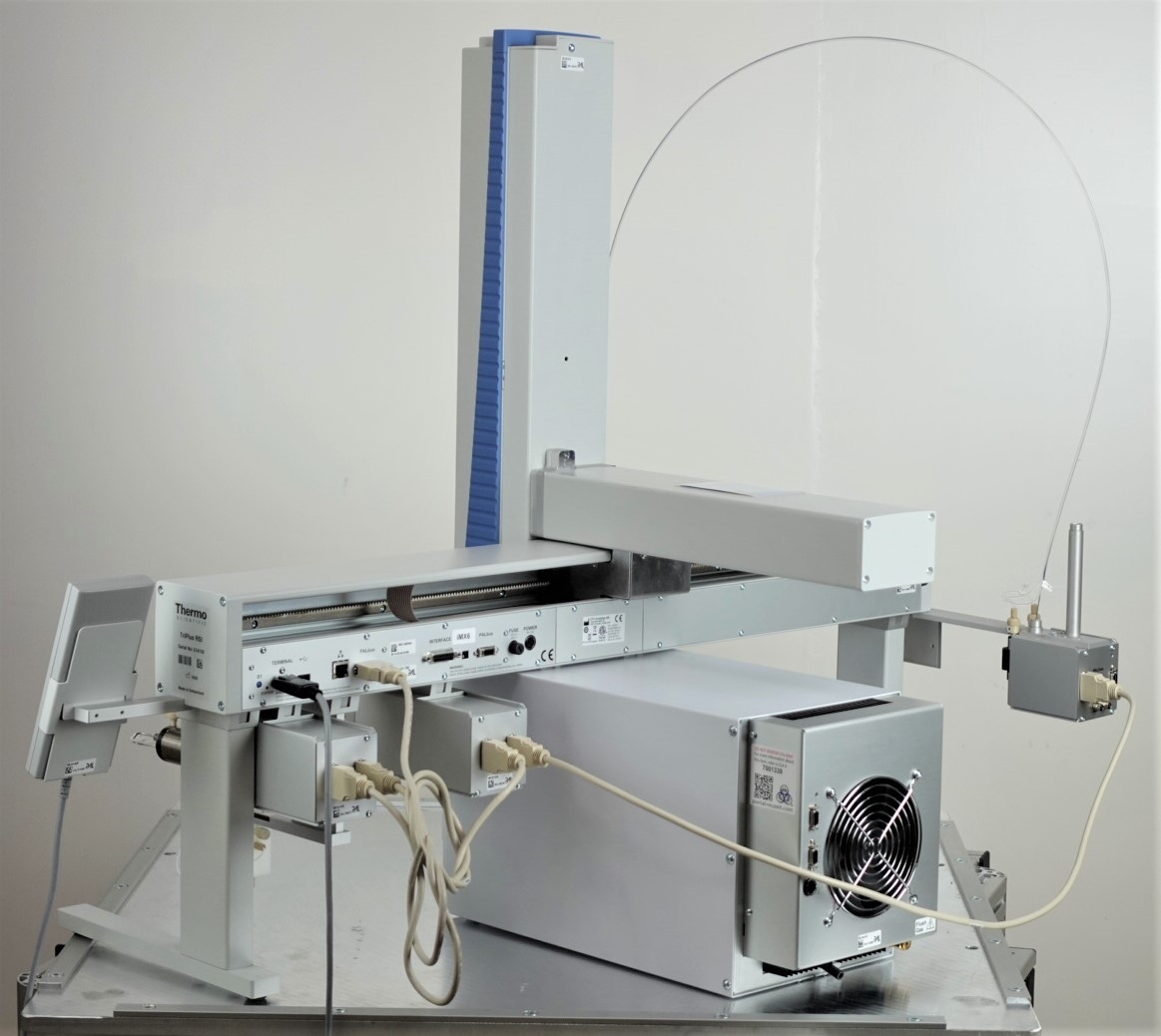
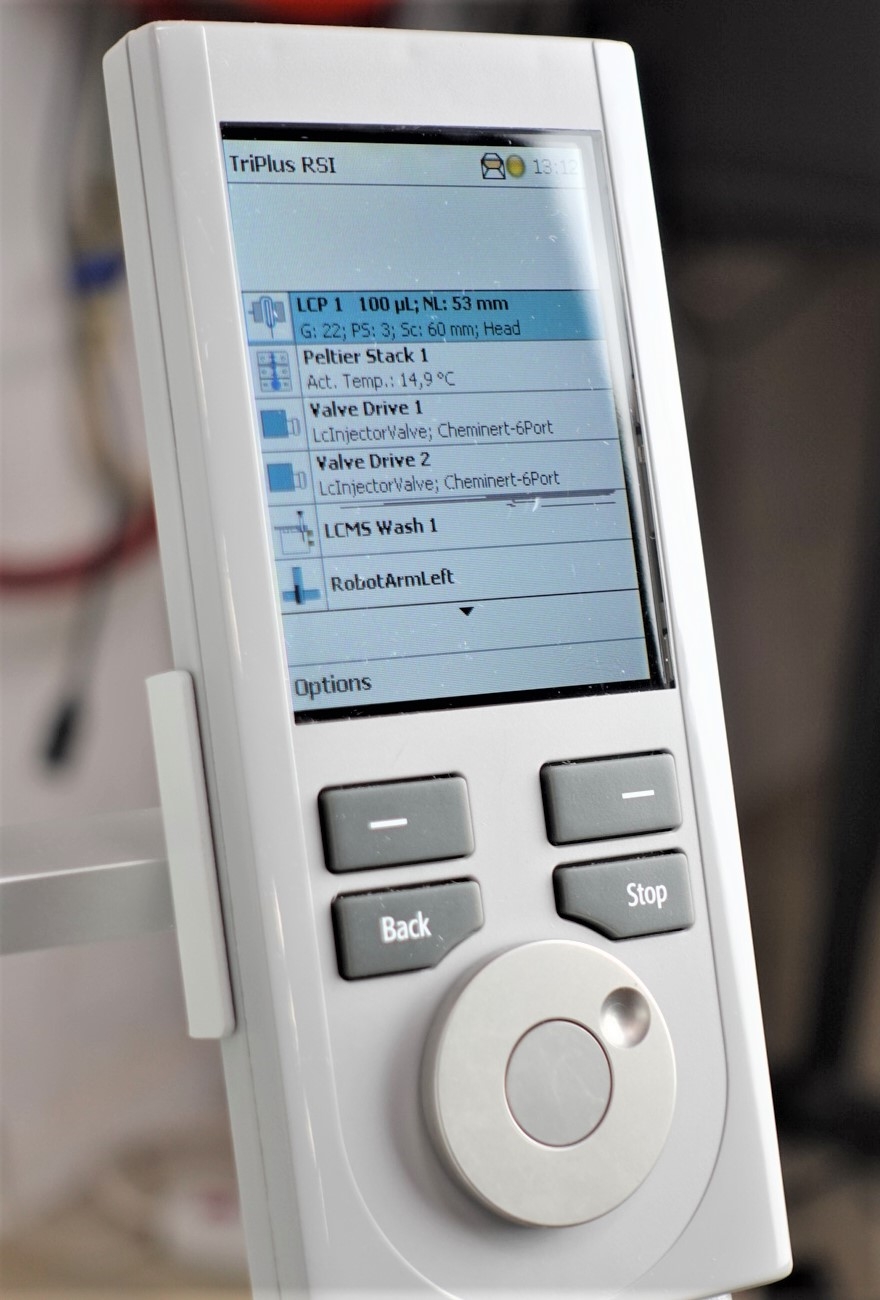
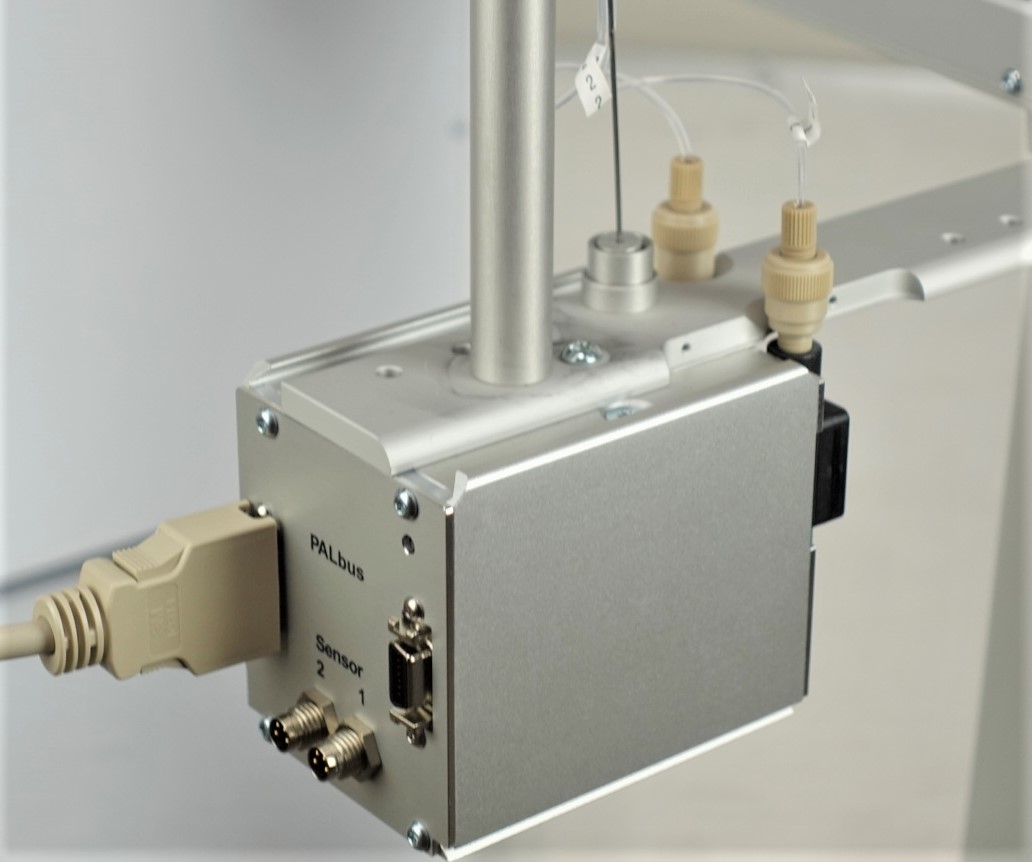
Thermo TriPlus RSI Autosampler Robotic LC-MS Sampler for Lab Automation
Thermo Fisher Scientific
Details
-
CategoryHPLC / FPLC / GC / CE
-
Dimension80.0cm x 100.0cm x 76.0cm
-
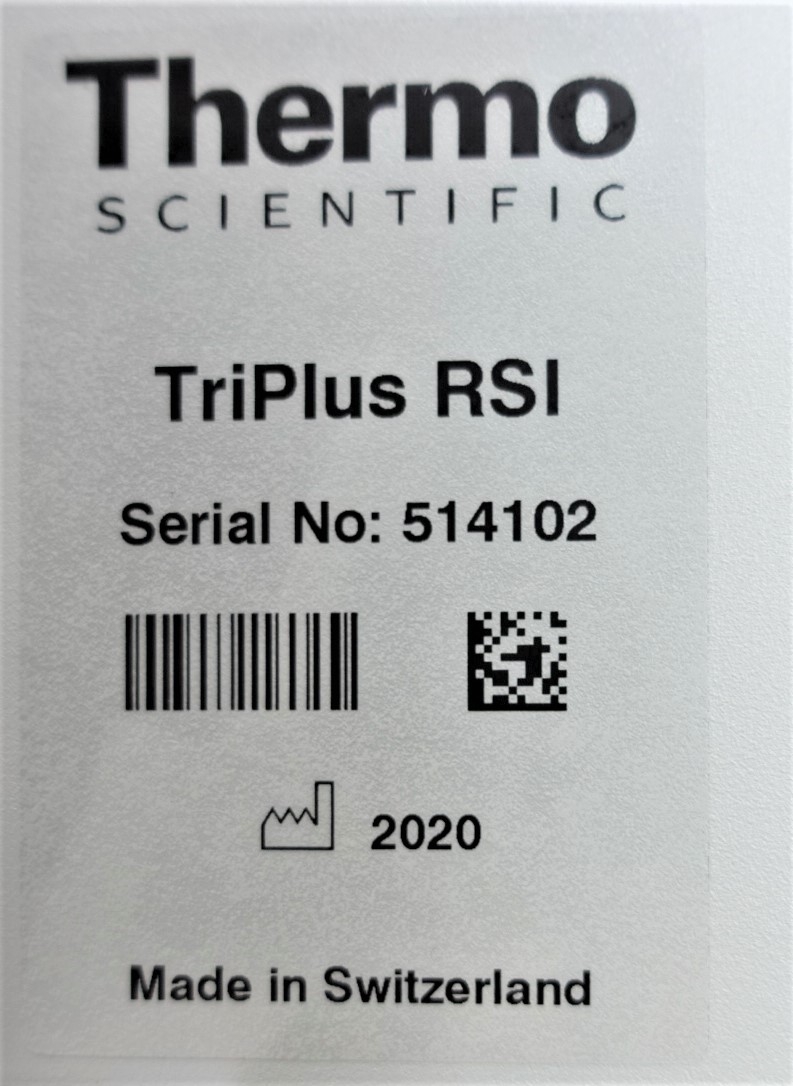
Serial514102
-
Shipping TypeFedEx Ground
-
Manufacturing2020-01-01
-
Voltage / Hertz230V / 50Hz UK
Description
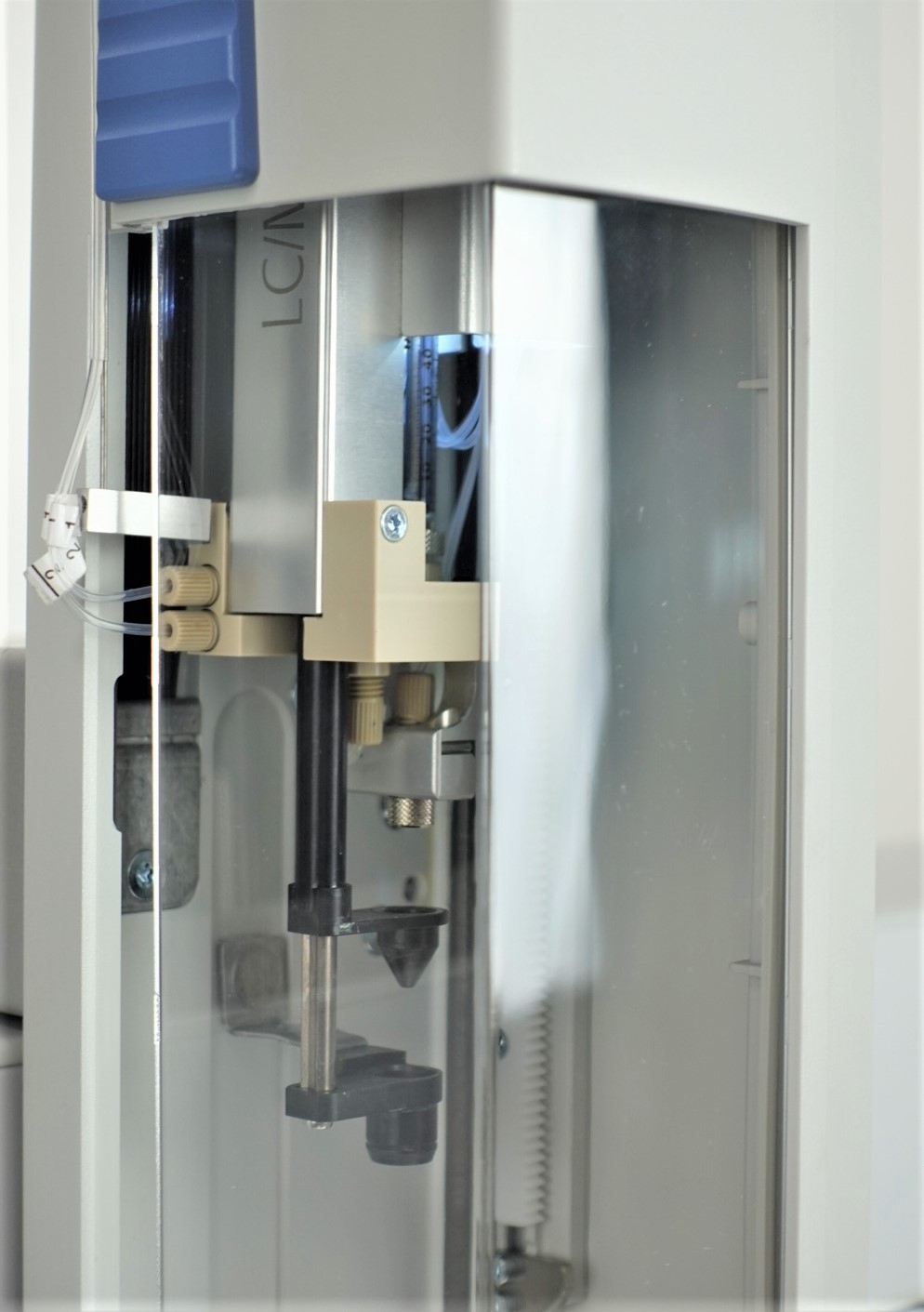
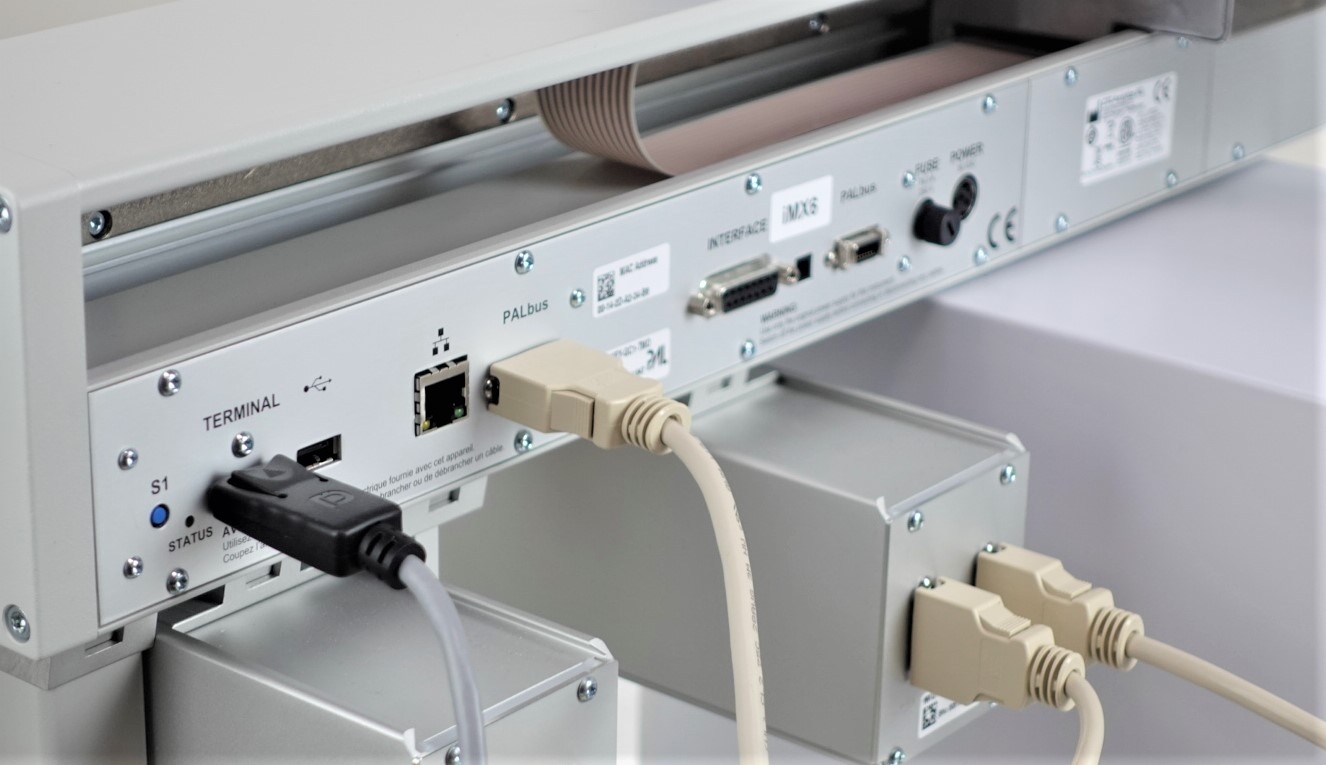
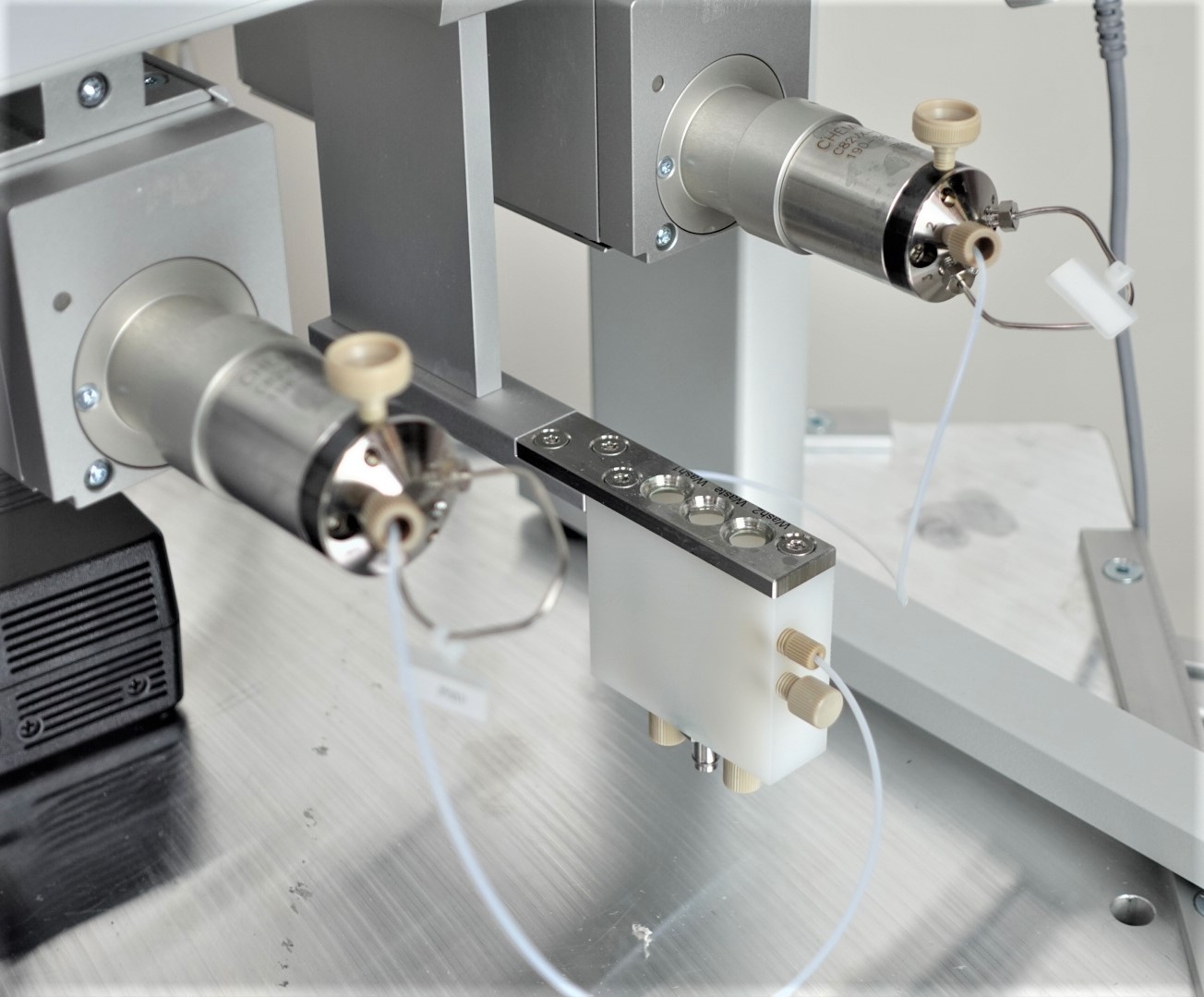
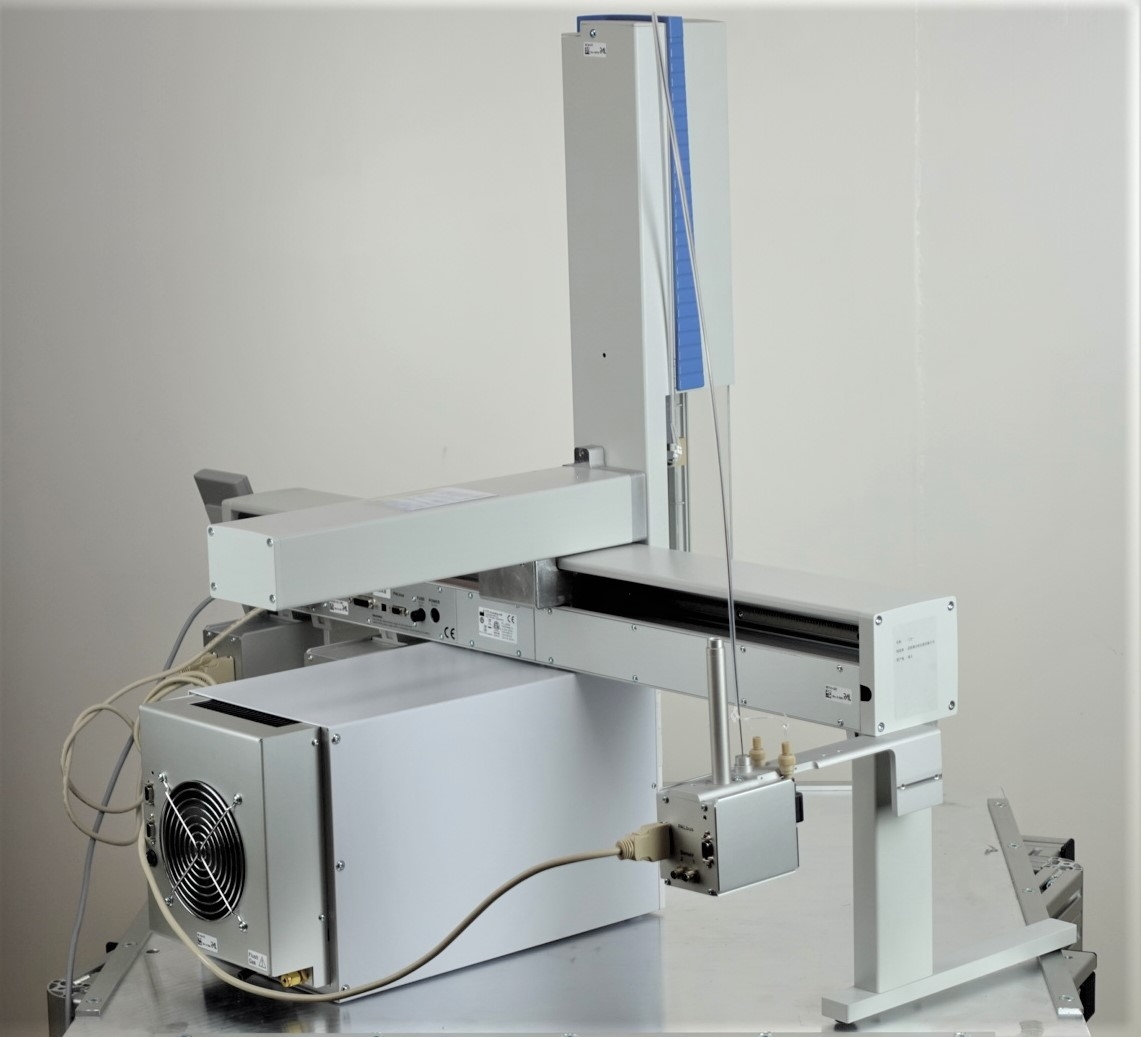
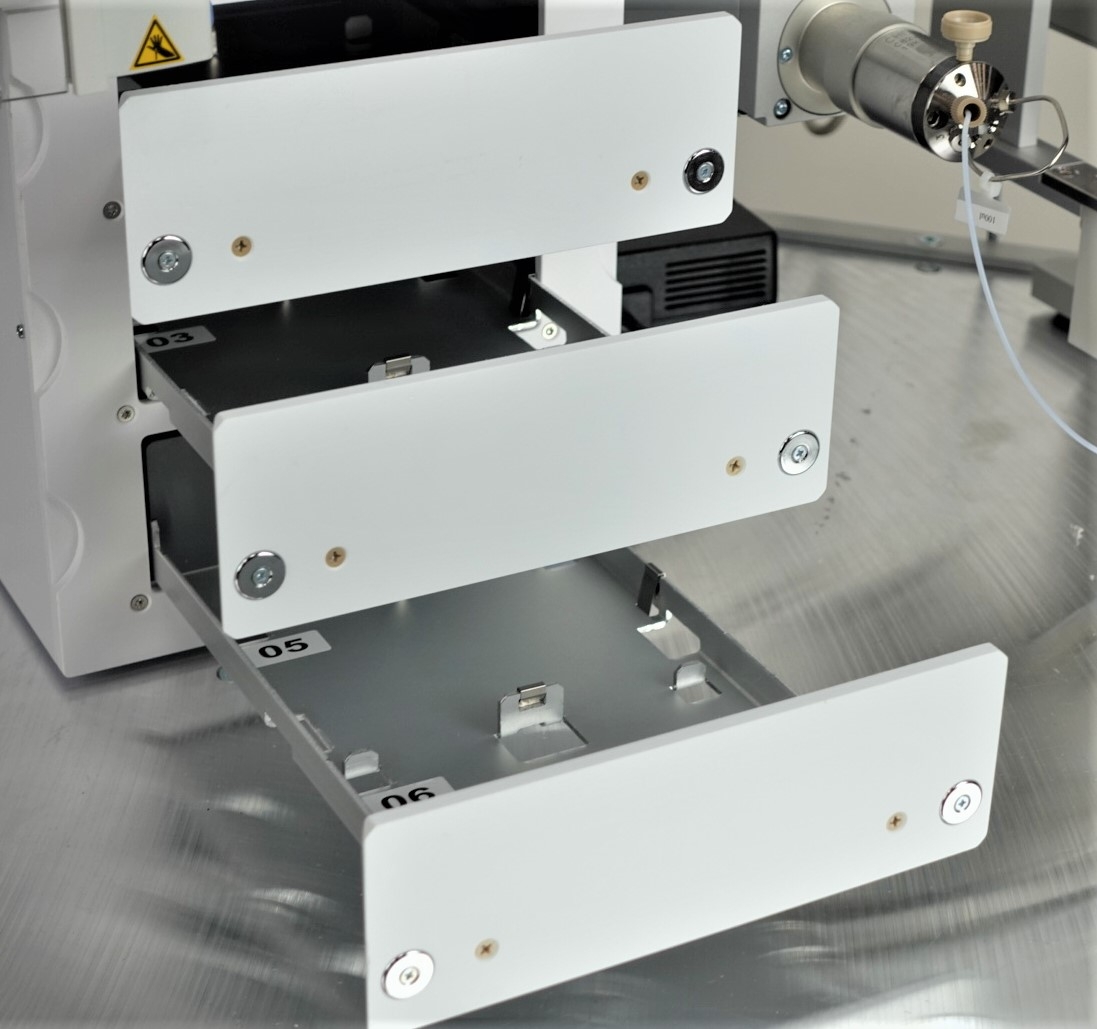
The Thermo TriPlus RSI Autosampler, manufactured in 2020, offers an effective solution for processing a high volume of samples quickly and reliably, particularly for LC-MS analysis in pharmaceutical, contract research, food safety, environmental, clinical research, and forensic laboratories. With flexible capacity, it accommodates a variety of sample trays and microtiter plates, and features a temperature-controlled 3-drawer stack capable of holding 420 x 1 mL, 324 x 2mL, or 90 x 10 mL vials alongside other vial types. Featuring 2 Injector Modules and 1 vial holder, this auto sampler is designed to streamline laboratory workflows. Despite minor cosmetic wear typical of used equipment, it performs basic functionality tests successfully, making it a robust choice for large-scale operations.
Key Features
- Processes numerous samples quickly and reliably for LC-MS analysis
- Compatible with a wide range of sample trays and microtiter plates
- Temperature-controlled 3-drawer stack with flexible capacity
- Includes 2 Injector Modules and 1 vial holder
- Designed for pharmaceutical, food safety, environmental, and research labs
Specifications
- Model: TriPlus RSI
- Brand: Thermo
- Year of Manufacture: 2020
- Operating Voltage: 230V
- Frequency: 50Hz
- Dimensions: 75 cm (Depth) x 100 cm (Width) x 80 cm (Height)
- Weight: 25 kg
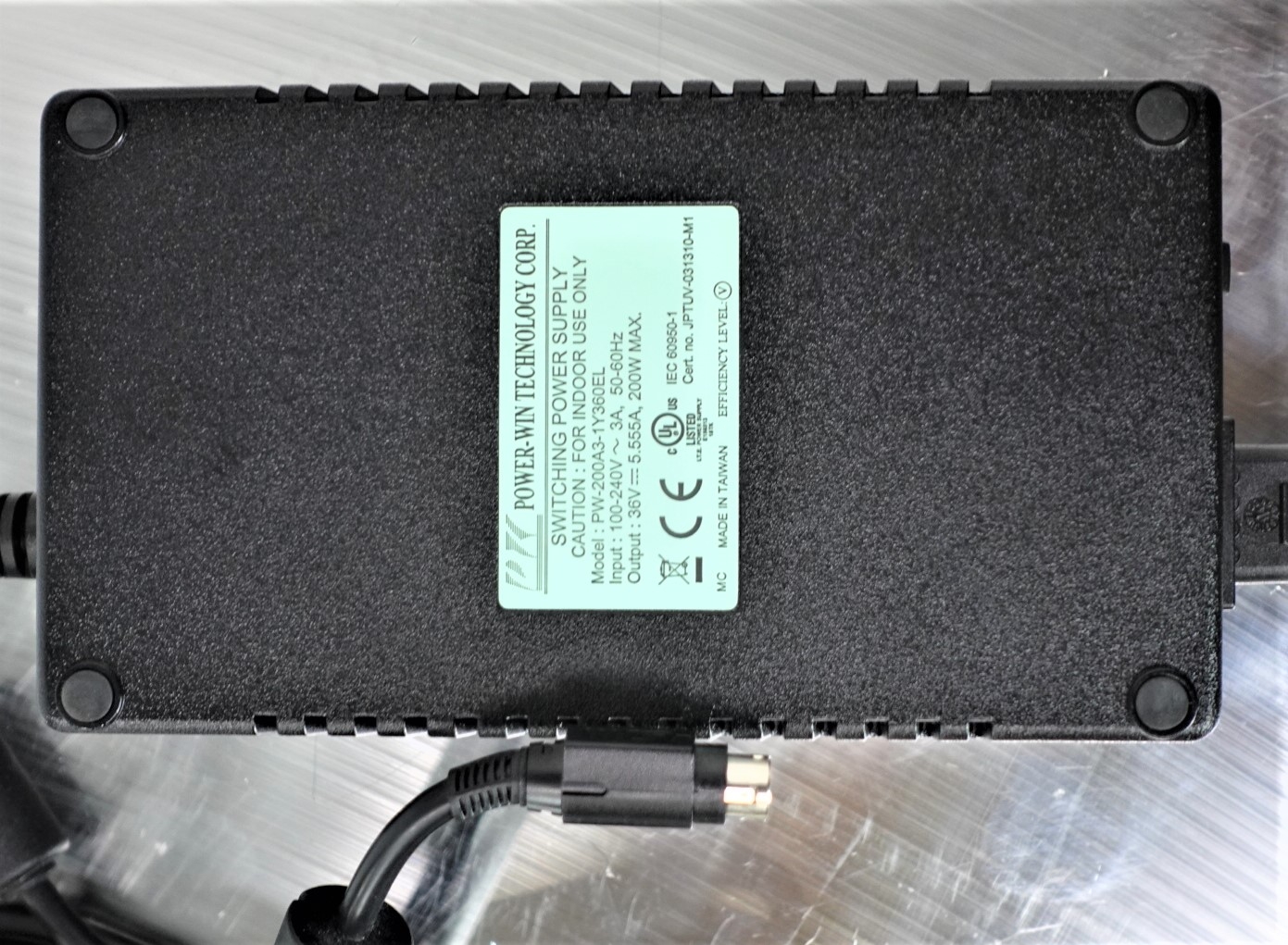
- Includes Power Cord
Weight
Imperial: 63.49 Pounds
Metric: 28.8 Kilograms
Shipping Dimensions
Imperial: 37.8 lb x 47.24 lb x 35.91 lb
Metric: 96.01 cm x 119.99 cm x 91.21 cm
Harmonized Code
90272000
Harmonized Code Details
Harmonized Code 90272000 is used for other instruments and apparatus for physical or chemical analysis. This categorization is fitting for the Thermo TriPlus RSI Autosampler due to its role in analyzing chemical compounds in laboratory settings.
Comments 0
There are currently no public comments.